How To Check MySQL Version In Hostinger
Last Updated 13 September 2026 by Jarvis Silva
Whether you are troubleshooting a WordPress plugin compatibility issue, migrating a web application, or installing a modern PHP script, knowing your exact database version is essential. In this 2026 guide, we will show you how to check your MySQL / MariaDB version in Hostinger hPanel in two minutes.
⚡ Quick Answer: How to Check MySQL Version in Hostinger
Follow these quick steps in your Hostinger account:
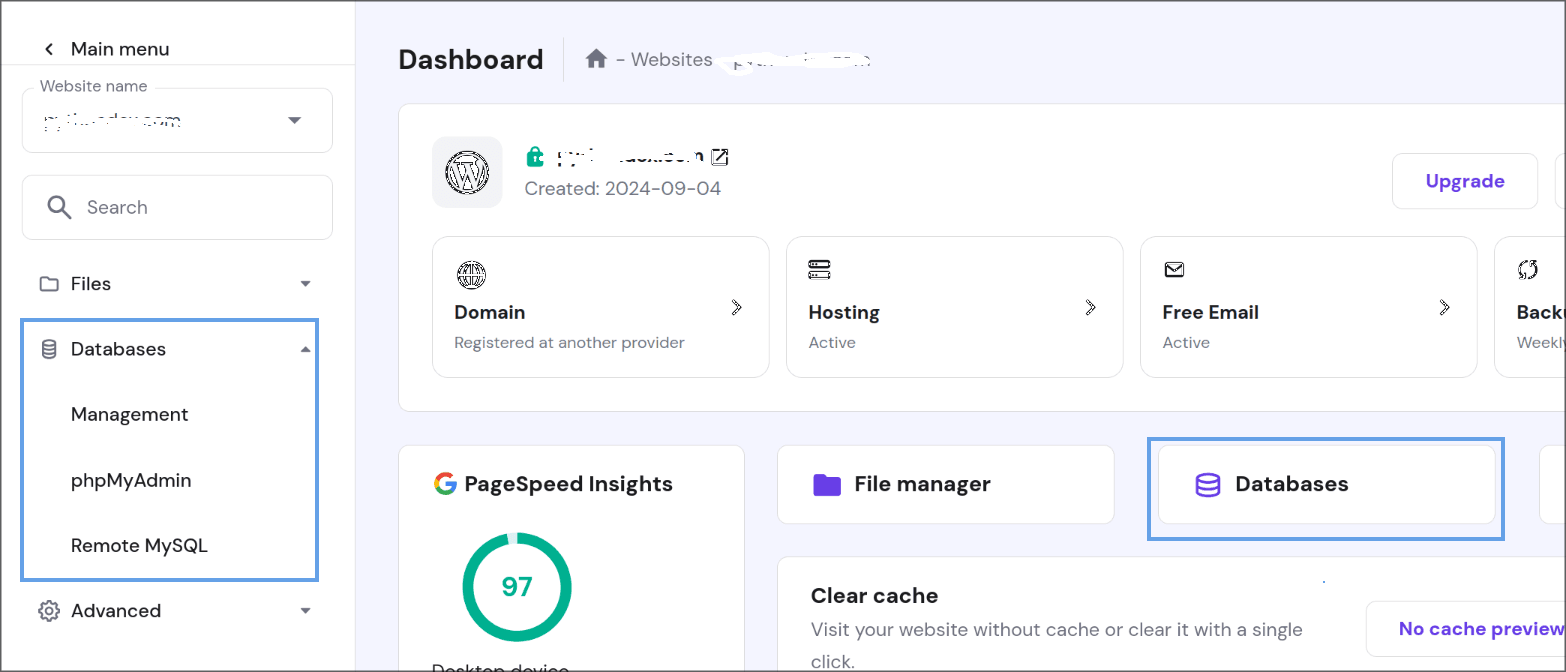
- Log in to Hostinger hPanel → Go to Databases > Management.
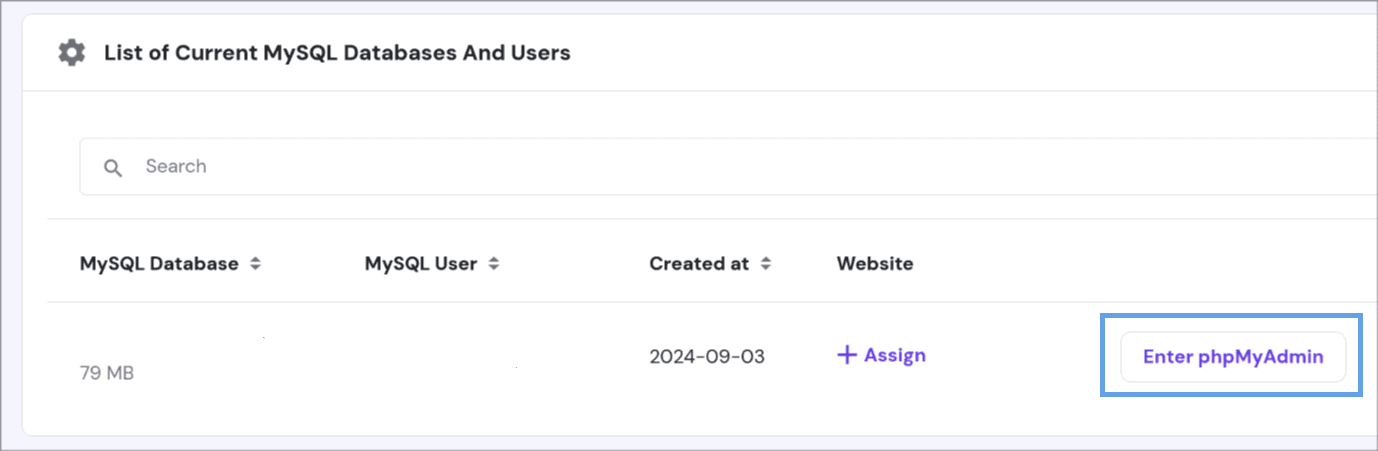
- Click Enter phpMyAdmin next to your active database.
- In the SQL tab, run query:
SELECT VERSION();(or inspect the right-hand Database server info panel).
Step 1: Open phpMyAdmin in Hostinger
- Login to your Hostinger account and navigate to your website dashboard.
- Go to Databases > Management and click on Enter phpMyAdmin next to the database you want to inspect.
Step 2: Run Version Query
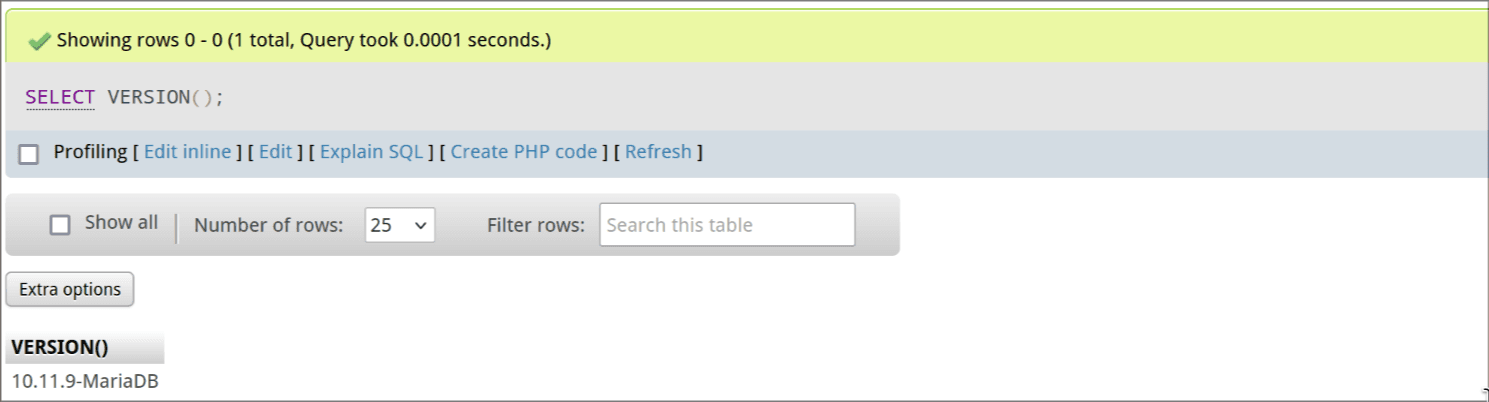
- Inside phpMyAdmin, select your database from the left sidebar, click the SQL tab at the top, and execute:
SELECT VERSION();The output will immediately display the exact database engine and version number (for example, 10.11.x-MariaDB or 8.0.x-MySQL):
Looking for Ultra-Fast Database Performance?
Hostinger Business & Cloud plans offer NVMe SSD storage, Redis object caching, and up to 5x database speed for WordPress and web apps.
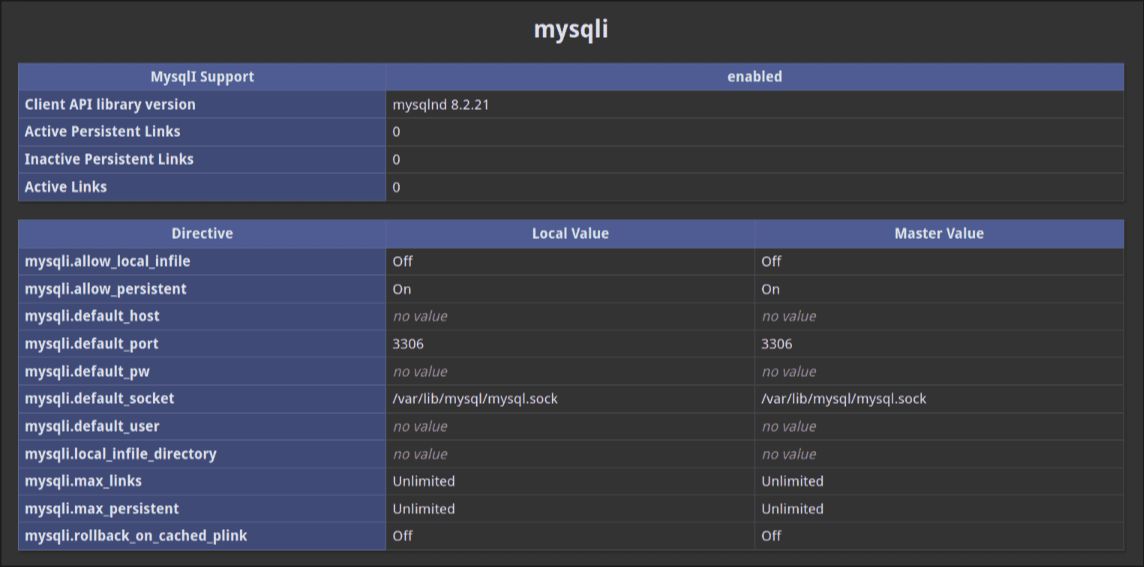
Alternative: Check MySQL Driver in PHP Info
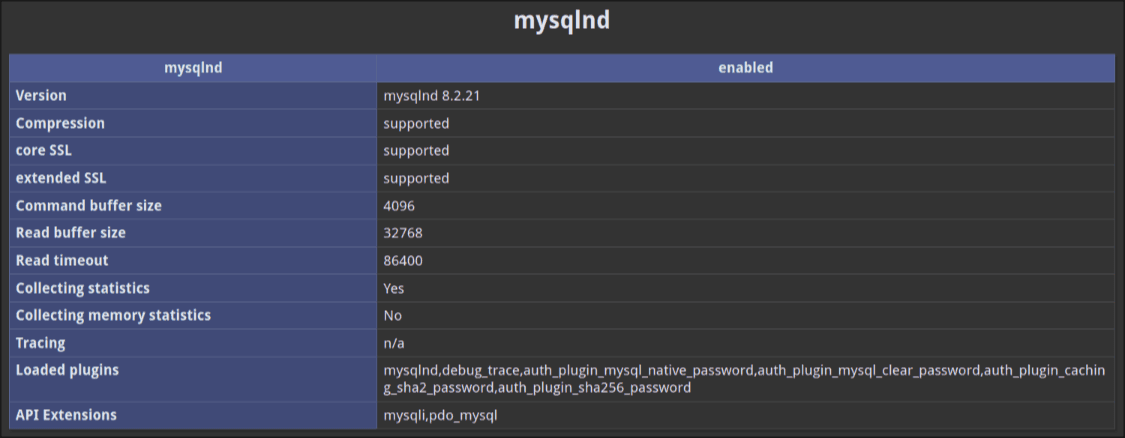
- In Hostinger hPanel, go to Advanced > PHP Info.
- Scroll down to the
mysqliorpdo_mysqlsections to view client API library versions, socket paths, and active extensions.
Frequently Asked Questions
What MySQL version does Hostinger use by default?
Hostinger typically runs modern versions of MariaDB (such as MariaDB 10.6 or 10.11), which is a high-performance, fully compatible drop-in replacement for MySQL 8.0.
Can I manually update the MySQL version on Hostinger shared hosting?
On Hostinger shared and cloud hosting, database versions and security patches are managed automatically by Hostinger for stability and security. If you need a specific custom MySQL version, you can deploy a Hostinger VPS with root access.
Where can I find my MySQL host, username, and port in Hostinger?
In Hostinger hPanel under Databases > Management, you will find your MySQL Database Name, MySQL User, and MySQL Host (usually 'localhost' or an internal IP address).
About the author
I am Jarvis Silva, a tech enthusiast. I have 5 years of experience in website hosting and development, Now sharing all my knowledge related to web hosting and other various tech on the internet through Hostwizly.
