How To Uninstall WordPress In Hostinger (2026 Guide)
Last Updated 13 September 2026 by Jarvis Silva
Whether you are starting over after a broken theme conflict, switching to a custom framework or static website, or troubleshooting malware, knowing how to cleanly uninstall WordPress in Hostinger is essential.
In this 2026 guide, we demonstrate the fastest 1-click method via Hostinger's Auto Installer, as well as the manual fallback method via File Manager to guarantee no orphan database files are left behind taking up your NVMe storage.
⚡ Quick Answer: How to Uninstall WordPress in Hostinger (30 Seconds)
- 1Log in to Hostinger hPanel and click Manage next to your website.
- 2In the left navigation sidebar, click Websites > Auto Installer.
- 3Under Installed Applications, click the three dots (⋮) next to WordPress and select Delete.
- 4Check both Delete installation files and Delete database, then confirm by clicking Delete.
Step 1: Create a Safety Backup (Recommended)
Before deleting any files permanently, it is best practice to generate a quick snapshot backup in case you need to retrieve images, posts, or custom code later:
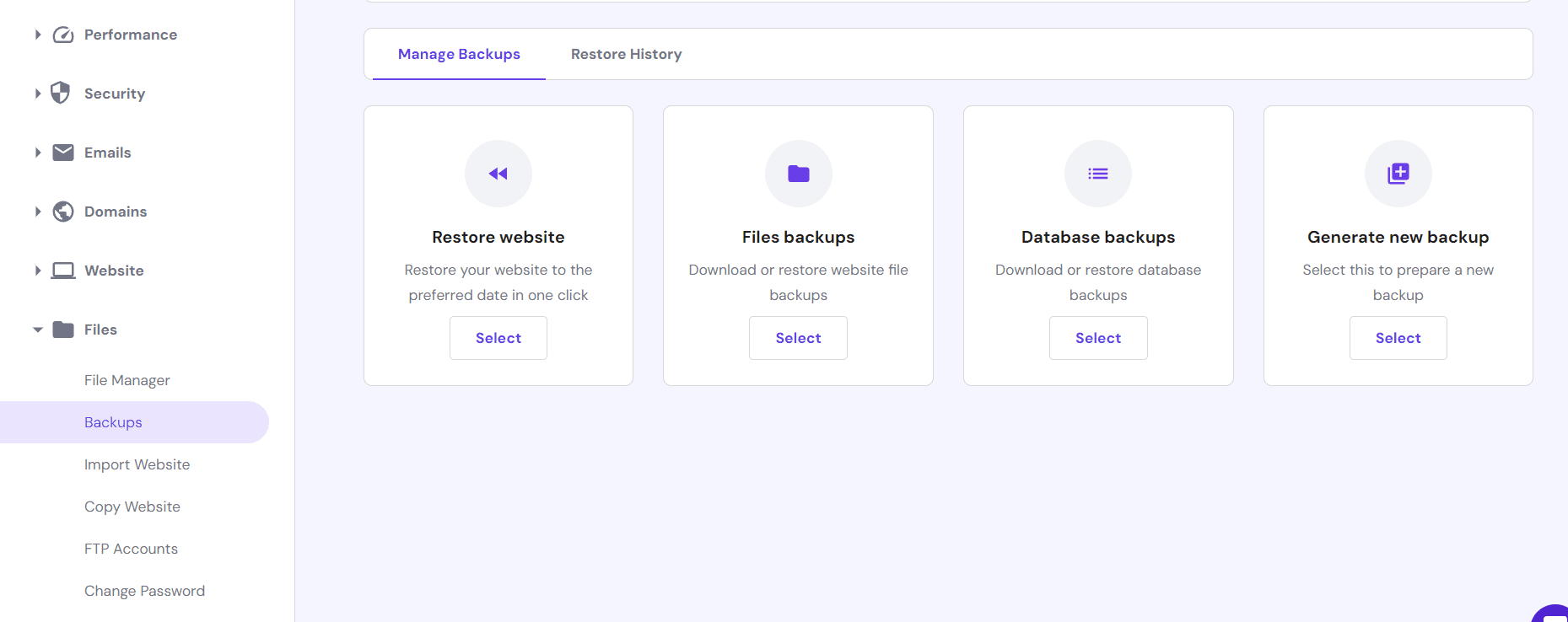
- In hPanel, scroll down to Files > Backups.
- Click Generate new backup. Hostinger will snapshot your entire
public_htmlfolder and MySQL database.
Method 1: Clean Uninstall via Auto Installer (Recommended)
This is the quickest and safest method because Hostinger automatically identifies and removes both the file system and the associated MySQL database table rows:
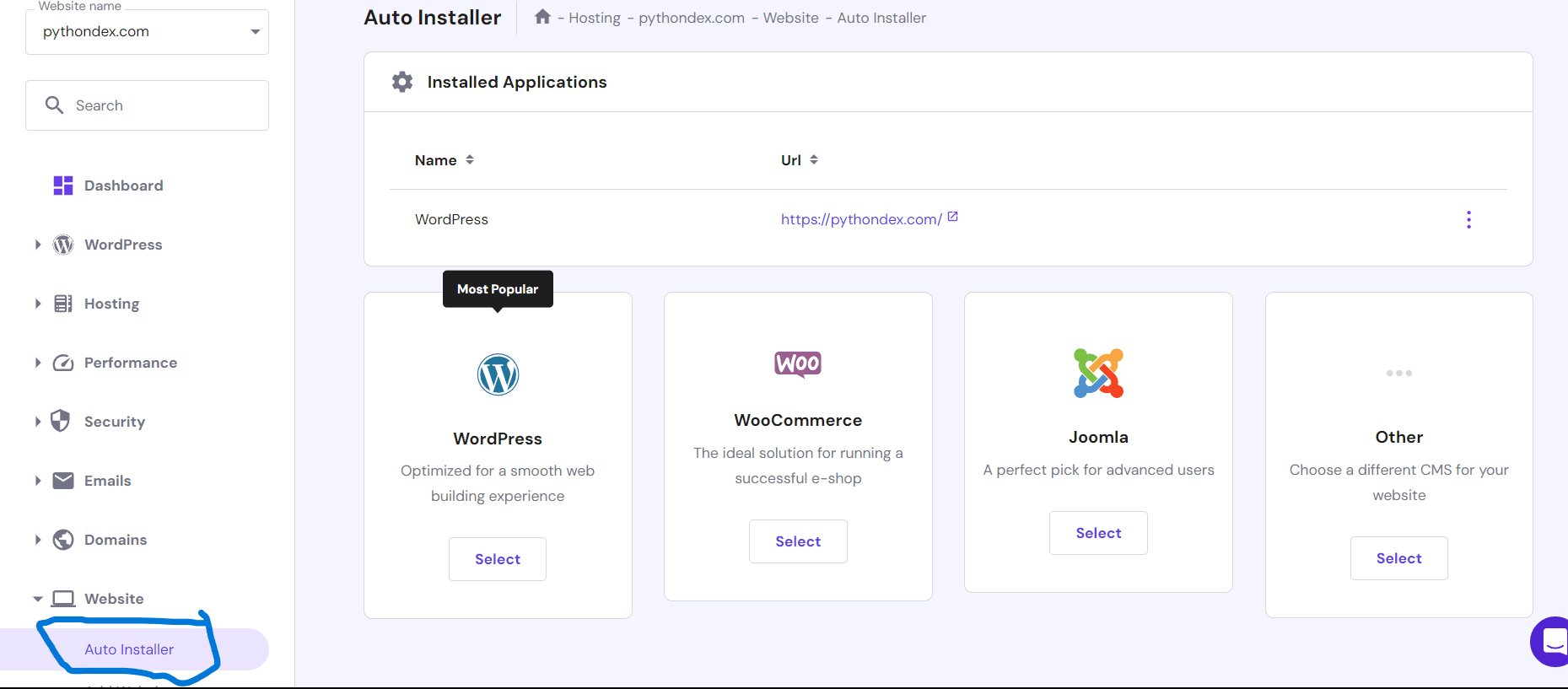
- Go to your website dashboard in hPanel, open the Websites dropdown in the sidebar, and click Auto Installer.
- Find your WordPress site listed under Installed Applications. Click the three vertical dots (⋮) on the right side.
- Click Delete. A modal window will ask which elements you want removed:
- ✓ Delete installation files
- ✓ Delete database
- Click the red Delete button. In less than 10 seconds, WordPress will be completely uninstalled.
Method 2: Manual Removal via File Manager & Databases
If you originally installed WordPress manually via FTP or if the Auto Installer doesn't detect your installation, follow this two-step manual wipe:
Part A: Delete Files from File Manager
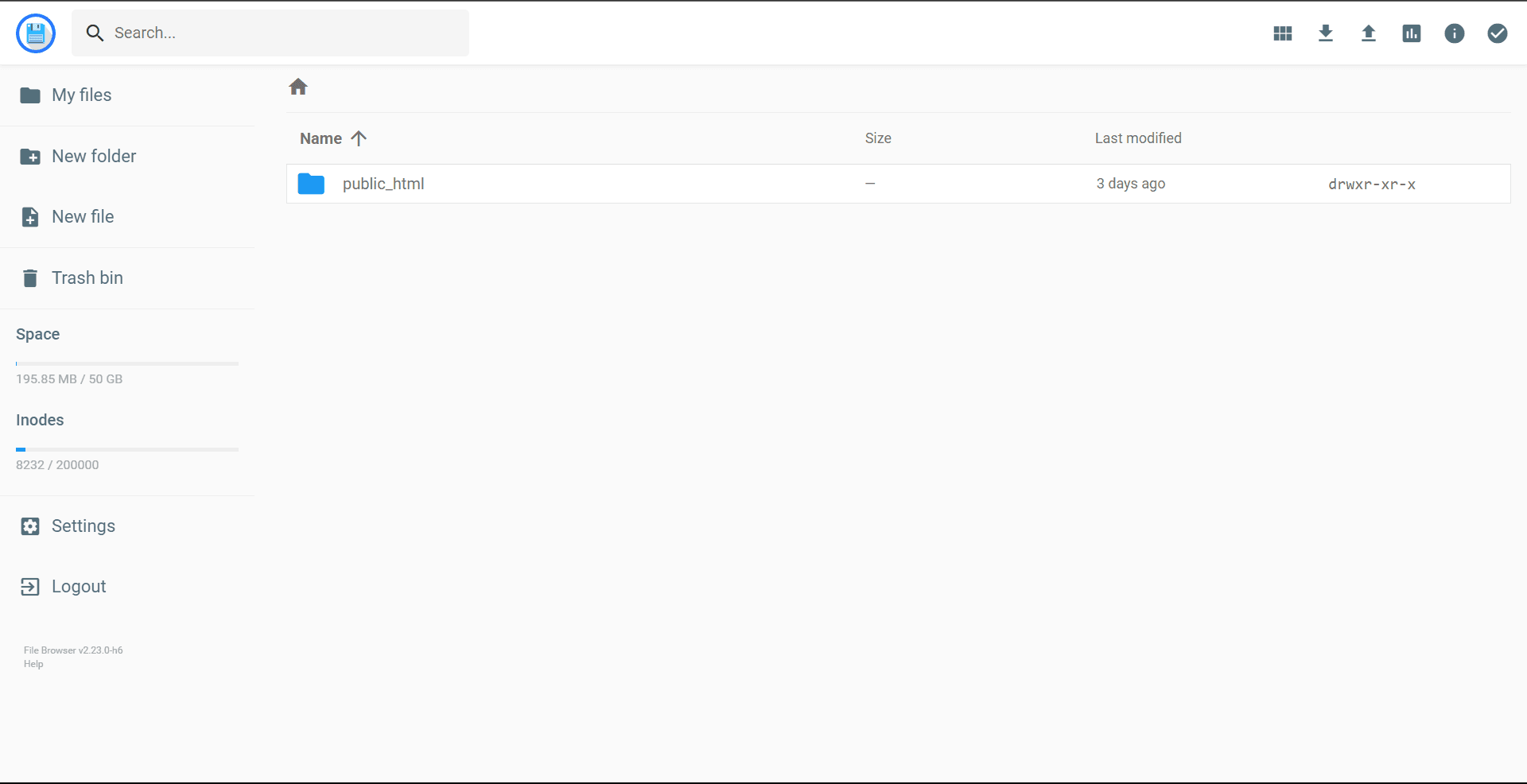
- In hPanel, go to Files > File Manager and click Access files of [your domain].
- Open the
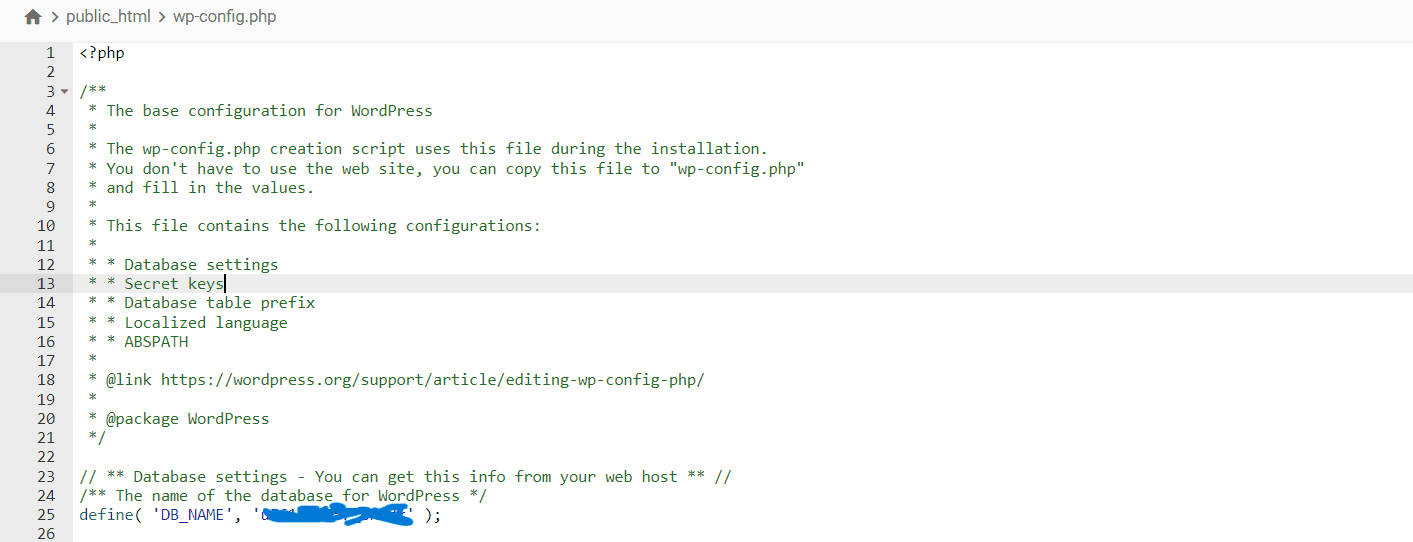
public_htmldirectory. - Before deleting, right-click
wp-config.phpand view it to note your database name (e.g.u123456789_wp). - Select all files inside
public_html(press Ctrl+A or Cmd+A) and click the Trash / Delete icon.
Part B: Delete the MySQL Database
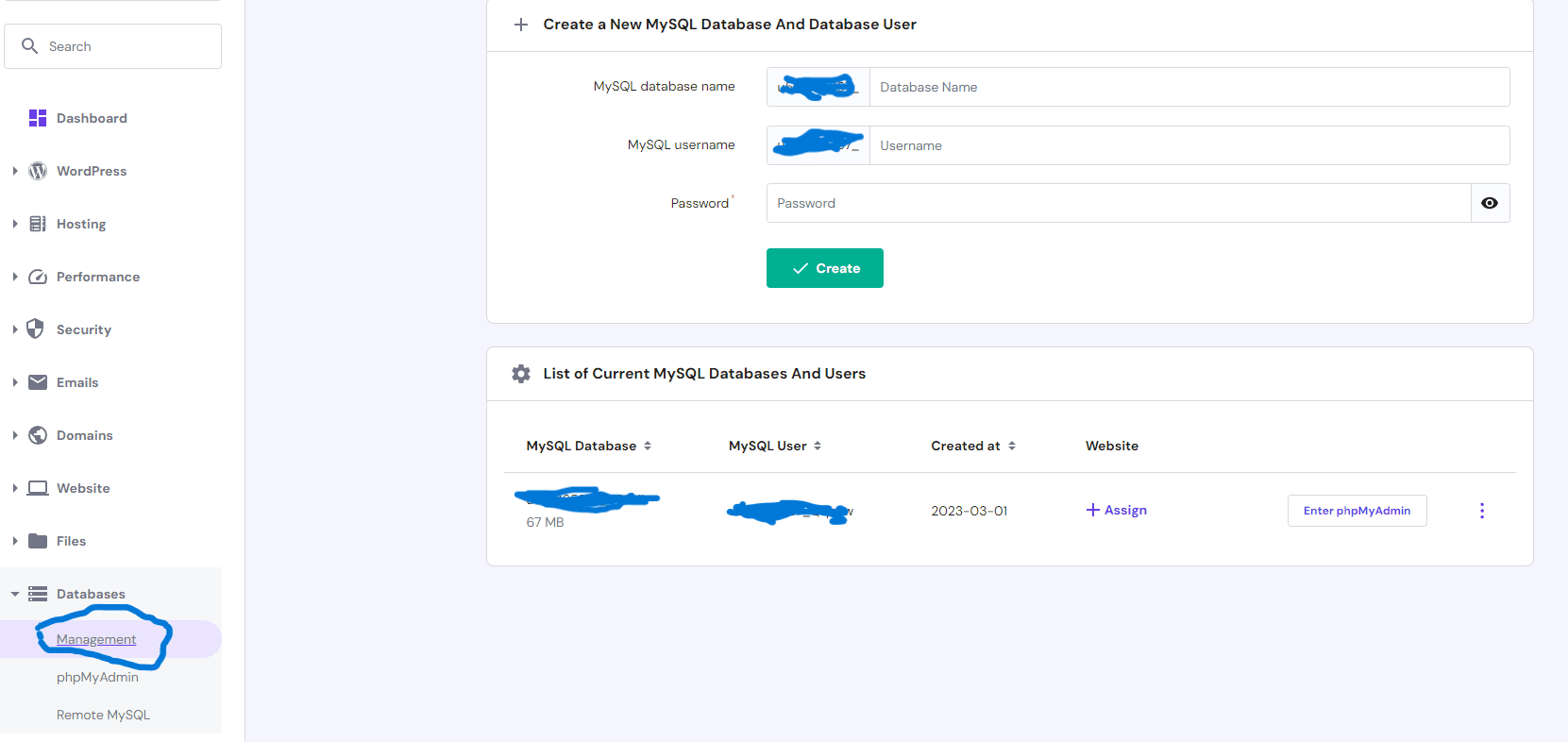
- Return to hPanel and go to Databases > Management.
- Find the database matching the name from your
wp-config.php, click the three dots (⋮), and select Delete.
Looking to Upgrade to High-Speed NVMe WordPress Hosting?
Hostinger Business plan features 5x faster NVMe storage, LiteSpeed enterprise cache, and free daily automated backups with up to 75% OFF + 3 months FREE.
Frequently Asked Questions
Does deleting WordPress in Hostinger also delete my domain name?
No. Uninstalling WordPress only removes the CMS files, themes, plugins, and MySQL database associated with that installation. Your registered domain name and DNS configurations remain completely safe.
Can I reinstall a fresh copy of WordPress after uninstalling?
Yes. Once uninstalled, you can immediately go back to Websites > Auto Installer > WordPress and install a completely clean, fresh version of WordPress with a new admin login in under 1 minute.
What should I do if the Auto Installer delete button is missing?
If WordPress was installed manually via FTP rather than the Auto Installer, you can delete it manually: go to File Manager, delete the contents of public_html, and delete the corresponding database under Databases > Management.
Will uninstalling WordPress delete my Hostinger email accounts?
No. Hostinger email inboxes (e.g. info@yourdomain.com) are hosted independently from WordPress. Deleting WordPress will not touch your emails or mailboxes.
Ready to start fresh? Check out our guide: How to Install WordPress in Hostinger (2026 Step-by-Step).
About the author
I am Jarvis Silva, a tech enthusiast. I have 5 years of experience in website hosting and development, Now sharing all my knowledge related to web hosting and other various tech on the internet through Hostwizly.
